Department of IGNOU
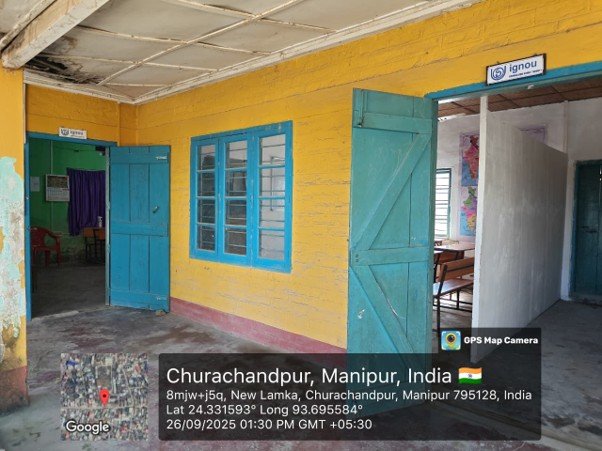
The IGNOU Study Centre in Lamka College was activated on the 15th of March, 2023. The centre is listed by IGNOU as Study Centre 1791 and is known as the IGNOU Learner Support Centre (LSC), Lamka College.
IGNOU Study Centre
The IGNOU Study Centre in Lamka College was activated on the 15th of March, 2023, with Miss Lily Suanlunching Chothe, Assistant Professor, Department of English, appointed as the Co-ordinator. The centre is listed by IGNOU as Study Centre 1791 and is known as the IGNOU Learner Support Centre (LSC), Lamka College. It operates under the Imphal Regional Centre (17), which oversees IGNOU’s study centres across Manipur.It offers flexible schedules with two academic cycles in a year- Winter and Summer admission cycle, self-paced study materials and a wide range of certificate courses, diplomas, undergraduate and postgraduate programmes.
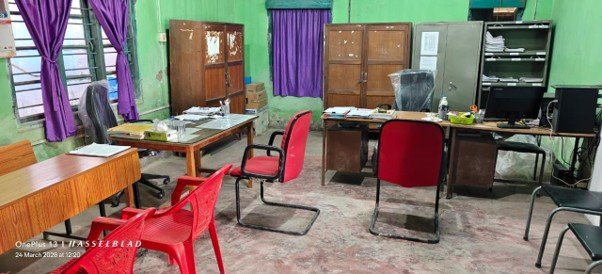
The Learner Support Centre (LSC) offers undergraduate programmes in Commerce, English, History, Social Work, Sociology, Political Science, Public Administration, Psychology and Master’s programmes in Adult Education, Public Administration and Sociology. It is the only LSC in the state that offers Psychology in the undergraduate programme and the only hill district in the state to offer Commerce (BCOMG) and Social Work (BSWG) in the undergraduate programme and Sociology in the postgraduation programme. The LSC has a group of dedicated staff working to ensure that the learners’ needs are met. It utilizes the host institution’s infrastructure, and well-qualified faculty are appointed as Academic Counsellors in their respective subjects.
The LSC serves as the vital link for the learners. It serves as a support centre for learners in navigating the study programme, contact sessions with academic counsellors, help with assignments, providing information on admissions and examinations, and organizing counselling and practical sessions. Since its establishment and its first admission session in the Summer cycle of 2023, the LSC has helped a wide range of learners, from working professionals wanting to upgrade their qualifications to homemakers and learners from economically disadvantaged families and from remote villages.
The number of enrolled learners has steadily increased with each cycle, and a number of learners have completed their programmes, mostly from the Master Programme.